

Kasteel
Wijlre
estate
The estate History Garden Cutting garden

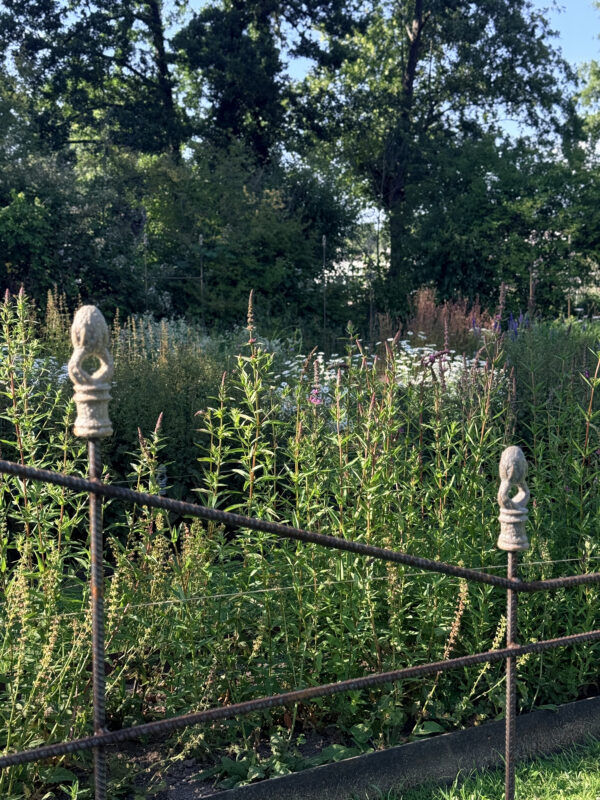
Equisetum: a native cutting garden at Kasteel Wijlre estate

Elspeth Diederix is a visual artist, best known as a photographer and, in recent years, also active as a garden designer. Her work is characterised by an attentive eye for the seemingly inconspicuous and the unexpected beauty of plants, flowers and herbs.

In 2024, Kasteel Wijlre estate presented her solo exhibition Angelica Fields in the Hedge House. For this monumental total installation, Diederix conducted extensive field research into the flora on and around the estate, directing the lens of her camera towards wild and often overlooked species. This research also forms the basis for her long-term project at the estate.

Photography: Elspeth Diederix

As a photographer, Diederix has an extensive exhibition and publication history both nationally and internationally. In recent years, she has also gained recognition for experimental garden projects, such as the Miracle Garden in the Erasmuspark in Amsterdam and the sottobosco garden for Rijksmuseum Twenthe in Enschede, the Netherlands.

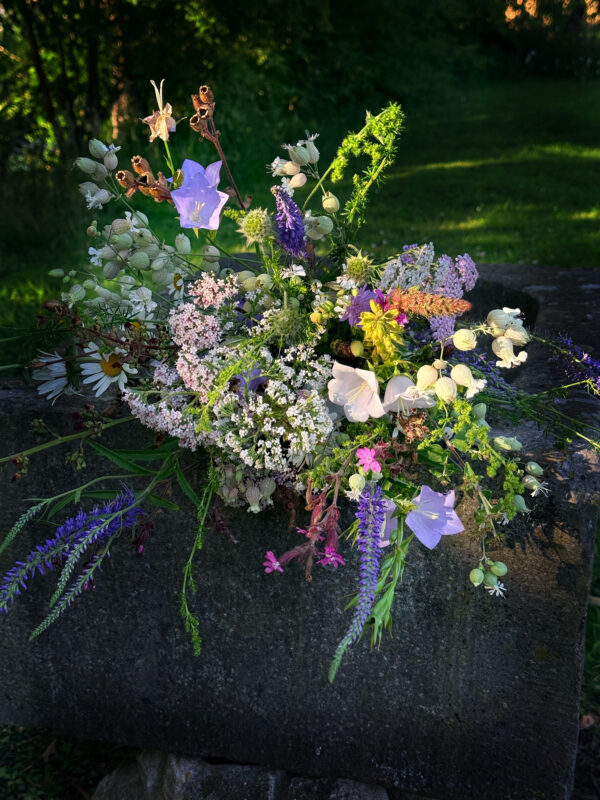
Following these projects, a collaboration with Kasteel Wijlre estate started in 2024 for the development of a cutting garden with native flowers. In this garden, Diederix’s artistic research, her ecological interest and her love of working with living materials come together. The cutting garden forms a living, continuously evolving work, inviting visitors to look with fresh eyes at the richness of the local flora and at their role as a link in the ecosystem of South Limburg.

Diederix developed her own open interpretation of the garden rooms as found in the hedge parcours on the eastern side of the estate: a garden of native flowers suitable for use in vases. Across ten flower beds, she planted native species such as Lady’s Bedstraw, Purple Loosestrife and Meadowsweet. For the four corners of Diederix’s cutting garden, the artist designed trellis structures with ceramic elements, inspired by horsetail (Equisetum arvense, also known as field horsetail), which is commonly found around the estate. Horsetail is a typical example of a plant that has come to be regarded as a weed, yet, like many other ‘undesirable’ species, it plays an essential role in local biodiversity and the natural ecosystem, including as a host plant for pollinators.

In the picking garden, visitors can pick their own flowers for € 12.50 per bouquet. The estate also uses flowers from the cutting garden to decorate its own events.

Photography: Elspeth Diederix

Organisation Partners Friends
News Press Newsletter Contact
Cookie notice

This site uses cookies to better understand its visitors and uses iframes.

Cookie settings

Below you can see the different types of cookies and similar technologies used on this site.

Functional cookies

This site uses functional cookies to store the cookie settings.

Additional cookies

External sites that are loaded via iframes (such as videos) can place cookies.

Analytical cookies track visits so that we gain more insight and can improve the site.

Accept all